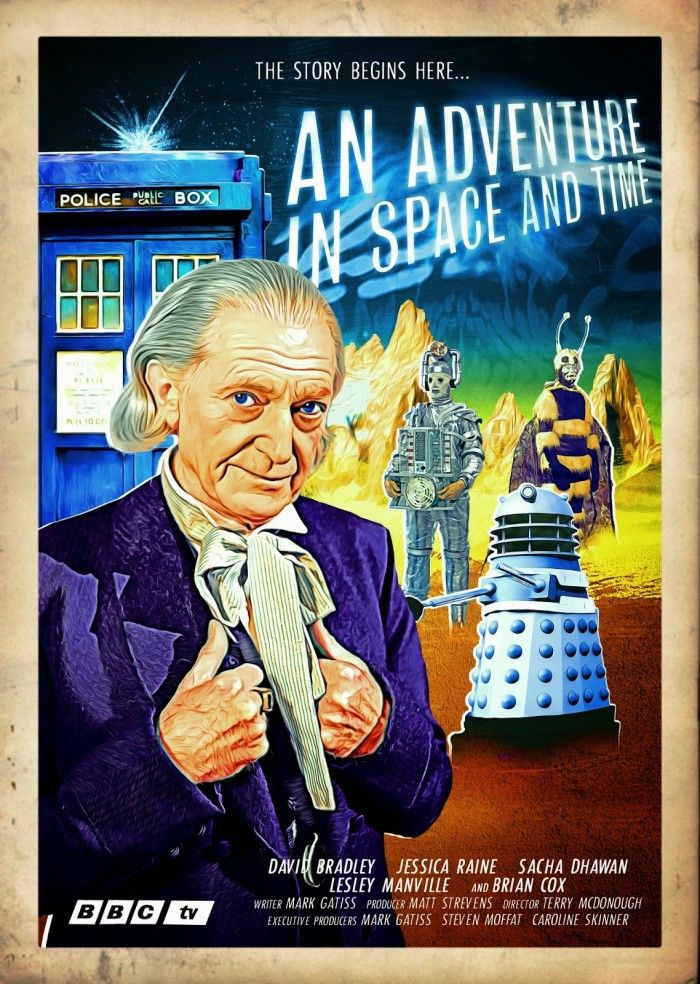
For Doctor Who's 50th Anniversary they really went all out and had a big special, screenings in theaters, and honest to goodness simulcast in the US and they also had this little thing, a nearly 90 minute dramatization of the situation surrounding Doctor Who as it just started and how it succeeded. I think that, almost more than anything, shows just how big this show has become, can anyone else think of any other show which has had a documentary on the making of it? I'm sure there might be a few others but I can't think of any at the moment, especially considering just how niche the audience for something like this must be.
An Adventure in Space and Time
Reviews of books, manga, anime, tv shows, movies, and webcomics. If it has a plot then I have something to say about it.
Showing posts with label documentary. Show all posts
Sunday, January 12, 2014
Sunday, January 5, 2014
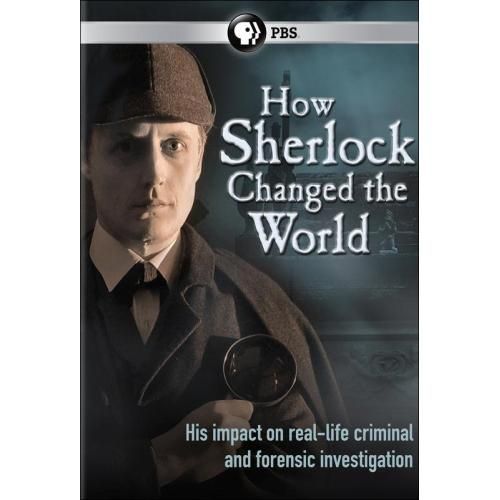
Documentary Review: How Sherlock Changed the World
Someone on twitter pointed out this little documentary to me and, since I'm waiting for the PBS broadcast of Sherlock which won't start for another few weeks, it seemed like a fun little diversion in the meantime. And I was curious, considering that the science Sherlock Holmes used, based on what I remembered from reading the books, seemed so similar to modern day forensics there's no way Arthur Conan Doyle made up all of that, right?
How Sherlock Changed the World
Labels:
2013,
bbc sherlock,
crime,
detective,
documentary,
sherlock holmes
Sunday, October 27, 2013
Documentary Review: Superheroes: A Never-Ending Battle
Well this is a rather appropriate review to remind folks that in November my schedule changes up a bit so I can talk just about manga which means that Friday and Saturday's normal reviews will be on Wednesday and Thursday this week and these will be the last tv/movie/anime/book reviews until December. I'll have more details up for any newcomers and long time readers on Friday.
In any case, this was shown on PBS recently and it's also streaming on their site but I don't know for how long so I'm advising anyone whose even a bit interested in this in going here and checking it out. It's three hours long but split into three, one hour long blocks so you can easily split up up over a few days, but then again this is coming from the person who finds watching documentaries fun anyway.
Superheroes: A Never-Ending Battle
Summary: The history of superheroes in America, from their conceptualization in the 1930s to the movie blockbusters of today, is discussed.
The Good: I really liked how this documentary was centered around how superheroes have changed as America has changed, it was suddenly quite clear why Superman is the way he is and I could even see where comics started getting "dark and edgy" and what those were a reaction against in some ways (the answer is the 90s and wanting to shock people by doing things "the big two" wouldn't let people do for those interested, not a terribly shocking reveal). I thought this was a pretty great way to structure it and now I understand more about past American culture in general.
The Bad: Well, given that this was only 3 hours to cover nearly 80 years of history it stands to reason that a lot of things seemed to be left out. I wish they had talked more about the female characters or women involved in comics, the story seemed to focus on the biggest, mostly male, characters for time's sake, although they did make sure to touch on that, the gay allegory with the X-Men, and minorities a bit. I was also a bit confused how they found everyone to interview, the creators and historians obviously made sense, and since they talked a bit about the superhero movies it also made some sense that they had screenwriters talking, but then they had some people who I believe were just the actors or had other minor roles in making the comics (like a colorist) and I wondered if they had run out of people to talk to or if they were bringing an important viewpoint that I just didn't realize. There are so many other things I wish they had also covered, superheroes in other countries now, webcomics, etc,) but I do understand why they kept their focus as narrow as it was in most cases, although a bit less focus on just Marvel and DC's main characters (and really, it was mostly DC since they have Batman and Superman) would have been nice.
The Production Values: I am happy to say this documentary looks perfectly fine, honestly if PBS had messed up "people sitting in front of a camera giving interviews" then I would have been rather alarmed. I was a little curious at their choice to show some scenes from comics while adding in some animation and having actors read the lines. I know why they did it, showing just text on screen while knowing the audience is going to read at varying speeds isn't a great idea, but the actors just sounded a bit off to me so I'm not sure that this was a much better idea.
So I'm giving this a hearty recommendation and a suggestion. To anyone out there on the internet who knows a lot about superheroes I have a proposal for you, make a series (blog posts, tumblr, youtube, whatever!) where each installment focuses on a different, more minor character from DC/Marvel and just talk about who they are, what stories they've been in, recommendations for a newcomer, and where the character currently stands. This documentary also showed to me just how much variety there is when you look at the extended universes of both of them but I have no idea where to start or even how to start and I can't be alone in that. And, given the number of nerds out there now, there must be someone who could pull off, or at least organize (a la Golden Ani), a project like this right?
In any case, this was shown on PBS recently and it's also streaming on their site but I don't know for how long so I'm advising anyone whose even a bit interested in this in going here and checking it out. It's three hours long but split into three, one hour long blocks so you can easily split up up over a few days, but then again this is coming from the person who finds watching documentaries fun anyway.
Superheroes: A Never-Ending Battle
Summary: The history of superheroes in America, from their conceptualization in the 1930s to the movie blockbusters of today, is discussed.
The Good: I really liked how this documentary was centered around how superheroes have changed as America has changed, it was suddenly quite clear why Superman is the way he is and I could even see where comics started getting "dark and edgy" and what those were a reaction against in some ways (the answer is the 90s and wanting to shock people by doing things "the big two" wouldn't let people do for those interested, not a terribly shocking reveal). I thought this was a pretty great way to structure it and now I understand more about past American culture in general.
The Bad: Well, given that this was only 3 hours to cover nearly 80 years of history it stands to reason that a lot of things seemed to be left out. I wish they had talked more about the female characters or women involved in comics, the story seemed to focus on the biggest, mostly male, characters for time's sake, although they did make sure to touch on that, the gay allegory with the X-Men, and minorities a bit. I was also a bit confused how they found everyone to interview, the creators and historians obviously made sense, and since they talked a bit about the superhero movies it also made some sense that they had screenwriters talking, but then they had some people who I believe were just the actors or had other minor roles in making the comics (like a colorist) and I wondered if they had run out of people to talk to or if they were bringing an important viewpoint that I just didn't realize. There are so many other things I wish they had also covered, superheroes in other countries now, webcomics, etc,) but I do understand why they kept their focus as narrow as it was in most cases, although a bit less focus on just Marvel and DC's main characters (and really, it was mostly DC since they have Batman and Superman) would have been nice.
The Production Values: I am happy to say this documentary looks perfectly fine, honestly if PBS had messed up "people sitting in front of a camera giving interviews" then I would have been rather alarmed. I was a little curious at their choice to show some scenes from comics while adding in some animation and having actors read the lines. I know why they did it, showing just text on screen while knowing the audience is going to read at varying speeds isn't a great idea, but the actors just sounded a bit off to me so I'm not sure that this was a much better idea.
So I'm giving this a hearty recommendation and a suggestion. To anyone out there on the internet who knows a lot about superheroes I have a proposal for you, make a series (blog posts, tumblr, youtube, whatever!) where each installment focuses on a different, more minor character from DC/Marvel and just talk about who they are, what stories they've been in, recommendations for a newcomer, and where the character currently stands. This documentary also showed to me just how much variety there is when you look at the extended universes of both of them but I have no idea where to start or even how to start and I can't be alone in that. And, given the number of nerds out there now, there must be someone who could pull off, or at least organize (a la Golden Ani), a project like this right?
Labels:
2013,
documentary,
superhero
Sunday, June 23, 2013
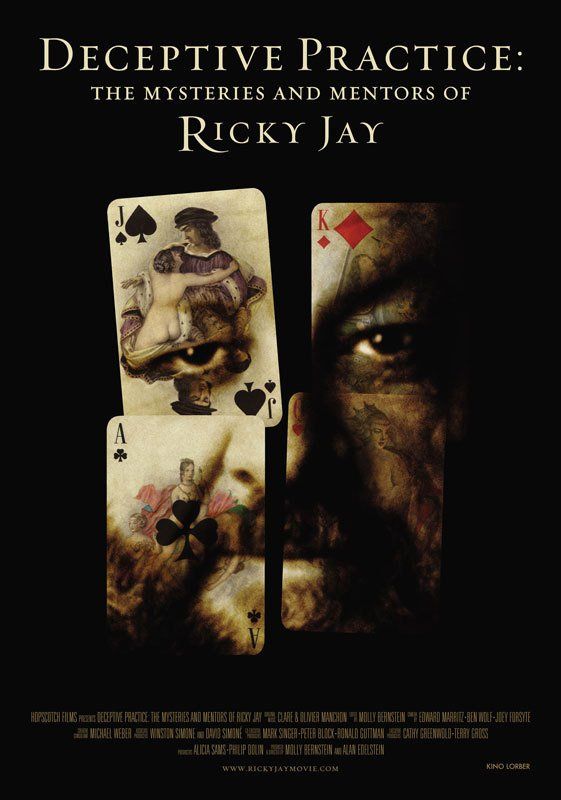
Movie Review: Deceptive Practice: The Mysteries and Mentors of Ricky Jay
So at some point in the last year a geeky/nerdy "themed" cafe opened up in my current hometown and having gone there a few times now makes me extra sad that what can only be called "the nerd boom" (with how being nerdy has become a lot more mainstream than it ever has before, your milage may vary whether this is a good thing or not) only happened once I had gone off to college since I would have loved to have hung out and met people at this cafe when I was in high school. Of course this isn't going to stop me from hanging out at it for the next couple of months and while a friend and I were casting about for something to do she remembered that they also show indie films there and the one they were showing this week seemed kind of interesting so why not see an indie documentary about a famous magician?
Deceptive Practice: The Mysteries and Mentors of Ricky Jay
Summary: Ricky Jay is a fantastic magician whose been preforming for years and along the way he's gotten a lot of help, and stories, from earlier pros.
The Good: This may sound a bit odd but my favorite part of this whole documentary was a rather short bit with a British journalist who had come to interview Ricky Jay as he was working with someone on a film (a different one than this I believe) and she summed up his personality rather well, the good and the bad of it. I was a bit surprised they had even included that part, usually when you see a documentary about a living person they don't outright state their flaws, but since this was a story about both Ricky Jay and about all the magicians he met it makes more sense and I plan on trying to find her article to read later on. What really makes this documentary work however is that it's clear that Ricky Jay is a fantastic magician, I've never heard of him so the documentary had to convince me on it's own but it did a great job and Ricky Jay also did a great job at showing why all his various mentors were so inspiring to him through all his various stories. He choose good stories, they were all the right length, the film didn't seem like it had too many or too few, this just felt like a well-thought out and produced documentary all around.
The Bad: Even though this film was barely an hour and a half long it still felt a little long to me and I would have liked it to have been a little shorter. I'm not sure what I would have cut out since nothing felt superfluous, but it did seem to drag a little at times and I would have liked it if the pacing was a bit snappier. Other than that, since I'm not a stage magic aficionado I felt like some things, such as references and stories about quite a few magicians from the 20th century, went over my head. This isn't necessarily a bad thing but this isn't a film with a wide audience and while I do think it was good and people should see it if interested but if the initial summary or this review hasn't made you interested in it skip it and watch something that does have your attention instead.
Production Values: Thankfully, unlike the last documentary I talked about, this one was competently done! There were two hiccups where the screen looked a bit weird during the film but, since these were at points when the film was showing some very very old footage I don't know if they were problems with the footage (which they decided to use anyway), a problem with the specific DVD used for this showing, or an encoding problem that affects all of the DVDs. In any case, while annoying both of those moments were short enough that it didn't draw me out of the film long. There were a couple of scenes which I would have filmed differently (tip, if you've been focusing on the same, unmoving subject for so long that you have to zoom both in and out to keep it interesting you probably need another camera angle to intersperse) but as I've said before, I'm fine if documentaries aren't super visually interesting and as it was this one worked just fine.
I'm giving this 3 out of 5 stars for being well done and worth seeing if it sounds interesting, and I'll probably remember it for a while since I've never seen a documentary about this before, but in the end it just wasn't for me and I found it a bit dull.
Deceptive Practice: The Mysteries and Mentors of Ricky Jay
Summary: Ricky Jay is a fantastic magician whose been preforming for years and along the way he's gotten a lot of help, and stories, from earlier pros.
The Good: This may sound a bit odd but my favorite part of this whole documentary was a rather short bit with a British journalist who had come to interview Ricky Jay as he was working with someone on a film (a different one than this I believe) and she summed up his personality rather well, the good and the bad of it. I was a bit surprised they had even included that part, usually when you see a documentary about a living person they don't outright state their flaws, but since this was a story about both Ricky Jay and about all the magicians he met it makes more sense and I plan on trying to find her article to read later on. What really makes this documentary work however is that it's clear that Ricky Jay is a fantastic magician, I've never heard of him so the documentary had to convince me on it's own but it did a great job and Ricky Jay also did a great job at showing why all his various mentors were so inspiring to him through all his various stories. He choose good stories, they were all the right length, the film didn't seem like it had too many or too few, this just felt like a well-thought out and produced documentary all around.
The Bad: Even though this film was barely an hour and a half long it still felt a little long to me and I would have liked it to have been a little shorter. I'm not sure what I would have cut out since nothing felt superfluous, but it did seem to drag a little at times and I would have liked it if the pacing was a bit snappier. Other than that, since I'm not a stage magic aficionado I felt like some things, such as references and stories about quite a few magicians from the 20th century, went over my head. This isn't necessarily a bad thing but this isn't a film with a wide audience and while I do think it was good and people should see it if interested but if the initial summary or this review hasn't made you interested in it skip it and watch something that does have your attention instead.
Production Values: Thankfully, unlike the last documentary I talked about, this one was competently done! There were two hiccups where the screen looked a bit weird during the film but, since these were at points when the film was showing some very very old footage I don't know if they were problems with the footage (which they decided to use anyway), a problem with the specific DVD used for this showing, or an encoding problem that affects all of the DVDs. In any case, while annoying both of those moments were short enough that it didn't draw me out of the film long. There were a couple of scenes which I would have filmed differently (tip, if you've been focusing on the same, unmoving subject for so long that you have to zoom both in and out to keep it interesting you probably need another camera angle to intersperse) but as I've said before, I'm fine if documentaries aren't super visually interesting and as it was this one worked just fine.
I'm giving this 3 out of 5 stars for being well done and worth seeing if it sounds interesting, and I'll probably remember it for a while since I've never seen a documentary about this before, but in the end it just wasn't for me and I found it a bit dull.
Labels:
documentary,
magic,
magician
Sunday, June 9, 2013
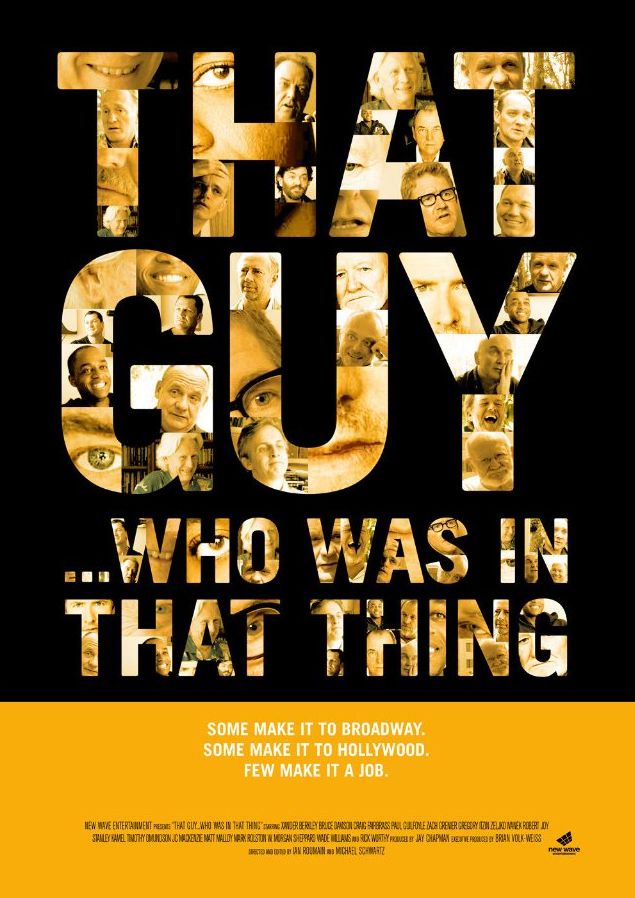
Movie Review: That Guy...Who Was In That Thing
And I'm back to having stable wi-fi, yaaay. Although I know that I'm making at least two other large trips this summer (and Otakon which I'm not even going to attempt blogging during), crossing my fingers that my internet will be a little more stable for that. In any case, I had to scramble a bit for this review anyway since I was planning on talking about the Fifth Doctor classic episode and it turns out that it's the one episode I've already seen/covered, Earthshock. So I went and looked at my list of movies on Netflix I eventually wanted to watch and found this one which I had seen some people talking about on twitter recently and, since it was only an hour and some change long, figured that it would be a good fit.
That Guy...Who Was In That Thing
Summary: There are many actors in Hollywood and only a handful will continuously capture the public's attention. As for the rest, well, they're playing smaller roles and even big roles but they're never quite as memorable, they're always just "that guy".
The Good: The way this movie was "pitched" to me was that it was about a group of character actors talking about the business which interested me, since character actors often look quite distinct, although as the actors themselves point out rather quickly that term doesn't quite mean what it used to. They were less "character" actors and more small to medium stars and it was interesting to be reminded of how small the pool of big name actors really is and just how many of the mainstream roles they get. Anime is similar, even though you can have smaller actors like these guys playing lots of guest roles on tv, or even a number or being part of the main cast of quite a few, if their not in the spotlight all the time it's easy to forget about them and that was interesting to think about.
The Bad: There are two big problems with this, it's too long and has too many people. There are 16 people interviewed here, all male, and 15 of them are white, I think most people can see what the problem here is (and when I saw the recommendation on twitter I also saw some people noting that it was all male and someone else saying that they had seen a similar movie recently but it had included some women, no idea on what the title of that production is sadly). And even when you have 16 people all talking about some of the troubles, both in general and personal, with becoming a recognized name in the industry that's just not enough to fill up 78 minutes without getting repetitive around the 45 minute mark. Sadly, between those two problems, plus a slew of technical problems I'm about to dive into, I just can't recommend this and was bored by a lot of this film.
Production Values: Normally I don't have much to say about the production values of a documentary (partially because most people are unwilling to do anything extremely stylistic) beyond "okay they were competent, good!" However here, wow technically this was terrible. I wanted to give the filmmaker a tripod since they clearly didn't have one, for some reason they liked to zoom in and out on the speaker and sometimes didn't aim the camera quite right (I swear at one point we were accidentally staring at a grey wall for a few seconds), there was a shot or two where the actor was in front of a window and the poor camera was trying to figure out what exposure to shoot for and was changing as they were recording, I even heard an airplane in the background for one outside shot! Guys, I've made videos and yes it's frustrating to record something, see that, and have to rerecord but as it stands I, and most of my classmates from that class, have all made technically better videos with rather low level equipment, no budget, and almost no time, that's pretty terrible!
Sorry for no photo tonight guys, apparently Photobucket is down and I'll edit that in in the morning. In any case, I'm giving this movie just 2 out of 5 stars for being entirely too long, white, male, and for making me question the camera-person's technical abilities. If I can find the name of that other film I'll edit the review and put it in, for right now all I can say is that you can surely find something better to watch with your time.
That Guy...Who Was In That Thing
Summary: There are many actors in Hollywood and only a handful will continuously capture the public's attention. As for the rest, well, they're playing smaller roles and even big roles but they're never quite as memorable, they're always just "that guy".
The Good: The way this movie was "pitched" to me was that it was about a group of character actors talking about the business which interested me, since character actors often look quite distinct, although as the actors themselves point out rather quickly that term doesn't quite mean what it used to. They were less "character" actors and more small to medium stars and it was interesting to be reminded of how small the pool of big name actors really is and just how many of the mainstream roles they get. Anime is similar, even though you can have smaller actors like these guys playing lots of guest roles on tv, or even a number or being part of the main cast of quite a few, if their not in the spotlight all the time it's easy to forget about them and that was interesting to think about.
The Bad: There are two big problems with this, it's too long and has too many people. There are 16 people interviewed here, all male, and 15 of them are white, I think most people can see what the problem here is (and when I saw the recommendation on twitter I also saw some people noting that it was all male and someone else saying that they had seen a similar movie recently but it had included some women, no idea on what the title of that production is sadly). And even when you have 16 people all talking about some of the troubles, both in general and personal, with becoming a recognized name in the industry that's just not enough to fill up 78 minutes without getting repetitive around the 45 minute mark. Sadly, between those two problems, plus a slew of technical problems I'm about to dive into, I just can't recommend this and was bored by a lot of this film.
Production Values: Normally I don't have much to say about the production values of a documentary (partially because most people are unwilling to do anything extremely stylistic) beyond "okay they were competent, good!" However here, wow technically this was terrible. I wanted to give the filmmaker a tripod since they clearly didn't have one, for some reason they liked to zoom in and out on the speaker and sometimes didn't aim the camera quite right (I swear at one point we were accidentally staring at a grey wall for a few seconds), there was a shot or two where the actor was in front of a window and the poor camera was trying to figure out what exposure to shoot for and was changing as they were recording, I even heard an airplane in the background for one outside shot! Guys, I've made videos and yes it's frustrating to record something, see that, and have to rerecord but as it stands I, and most of my classmates from that class, have all made technically better videos with rather low level equipment, no budget, and almost no time, that's pretty terrible!
Sorry for no photo tonight guys, apparently Photobucket is down and I'll edit that in in the morning. In any case, I'm giving this movie just 2 out of 5 stars for being entirely too long, white, male, and for making me question the camera-person's technical abilities. If I can find the name of that other film I'll edit the review and put it in, for right now all I can say is that you can surely find something better to watch with your time.
Labels:
documentary,
movie
Wednesday, February 20, 2013
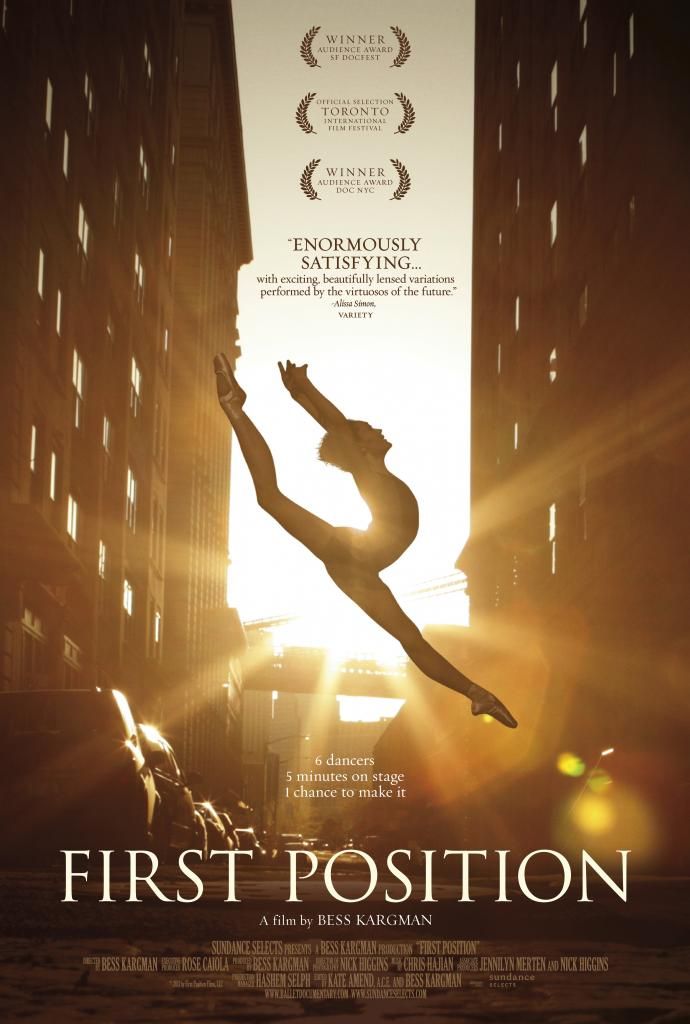
Movie Review: First Position
Technically this is a documentary and, even though I'm not sure if documentaries are actually movies I'm still going to count this for my movie/tv series review of the week anyway. I heard about this a few weeks back somewhere on the internet where someone made a passing comment about how this was a surprisingly good documentary and I of course had to go see if it was on Netflix and since it was only 90 minutes I decided to give it a shot. I've had fairly good luck with documentaries people recommend to me and I like ballet alright so why not?
First Position
Summary: Every year the Youth American Grand Prix is held in New York City, the world's largest international dance competition where kids from 9-19 compete for medals, scholarships, and contracts with dance companies. This film follows six kids from different backgrounds who have all dedicated their lives to ballet and how they advance and perform.
The Good: I was impressed, I'm so used to documentaries hamming up the drama that comes with human life that it was a nice change of pace to see a film not do that. There is some tension of course, all of these kids are competing very seriously and devoting this much of your energy towards one goal is going to cause stress regardless of what your goal is, but it was all presented in a very natural, matter of fact way. The film also didn't make you feel like "oh this person deserves this more than this other person because of their life" and impressively it made me connect with all of the kids in just 90 minutes and really care about how they did in the competition. I don't watch many documentaries but I'm really glad I saw this one and I'm not surprised to see that it was pretty well received as a whole.
The Bad: I do feel like the film could have gone a bit deeper if it had wanted to, also considering it's only 90 minutes it could have gone longer and gone farther into the kids' lives but it didn't and I don't think it suffers for it (and the pacing was great so I'd hate to mess with that). It did feel a little impersonal at times, unusually I actually have no idea who the director was since I didn't feel them insert themselves into the story at all, but again that's more a stylistic choice than a flaw. I didn't really think this film had many, if any, big or little problems and overall I'm quite impressed with it.
The Audio: I've done some video work and audio editing was always something I had trouble with so I'm impressed at how well they handled it for the kids' performances. Obviously they aren't going to show their whole five minutes of dancing but you can't just cut in and out of shots with the music changing as well, that would be far too disjointed, so I thought the way they edited together the music and the dancing was done very seamlessly and I wish I could learn some tricks from whomever did it.
The Visuals: I did have a few issues with some of the film, why the heck were the performance parts so noisy?!? For each performance the video quality suddenly went down, as if they had to use camcorders on auto to shoot the kids actually competing, and it was rather distracting since the rest of the documentary looked fine. There were some points, again during the competitions, where I wondered if we were dropping frames, the movements looked just a bit off (I especially noticed it for Miko when she was spinning with a long dress, a shot I've seen in other movies and it just looked a bit off here and not because of her). I know there's a big difference between shooting a movie and shooting a real performance, I know from experience just how limited the range of a camera really is and how much light you need to make it look natural but I was still disappointed by these points since the rest of the film looked just fine.
So, as odd as it sounds to rate a documentary, 4 or 4.5 out of 5 stars and a hearty recommendation to anyone who likes ballet/dance in general to check this out. It's streaming on Netflix USA and apparently on Amazon Instant as well. Now, I really want to pick up Swan again after seeing all these dancers work so hard....
First Position
Summary: Every year the Youth American Grand Prix is held in New York City, the world's largest international dance competition where kids from 9-19 compete for medals, scholarships, and contracts with dance companies. This film follows six kids from different backgrounds who have all dedicated their lives to ballet and how they advance and perform.
The Good: I was impressed, I'm so used to documentaries hamming up the drama that comes with human life that it was a nice change of pace to see a film not do that. There is some tension of course, all of these kids are competing very seriously and devoting this much of your energy towards one goal is going to cause stress regardless of what your goal is, but it was all presented in a very natural, matter of fact way. The film also didn't make you feel like "oh this person deserves this more than this other person because of their life" and impressively it made me connect with all of the kids in just 90 minutes and really care about how they did in the competition. I don't watch many documentaries but I'm really glad I saw this one and I'm not surprised to see that it was pretty well received as a whole.
The Bad: I do feel like the film could have gone a bit deeper if it had wanted to, also considering it's only 90 minutes it could have gone longer and gone farther into the kids' lives but it didn't and I don't think it suffers for it (and the pacing was great so I'd hate to mess with that). It did feel a little impersonal at times, unusually I actually have no idea who the director was since I didn't feel them insert themselves into the story at all, but again that's more a stylistic choice than a flaw. I didn't really think this film had many, if any, big or little problems and overall I'm quite impressed with it.
The Audio: I've done some video work and audio editing was always something I had trouble with so I'm impressed at how well they handled it for the kids' performances. Obviously they aren't going to show their whole five minutes of dancing but you can't just cut in and out of shots with the music changing as well, that would be far too disjointed, so I thought the way they edited together the music and the dancing was done very seamlessly and I wish I could learn some tricks from whomever did it.
The Visuals: I did have a few issues with some of the film, why the heck were the performance parts so noisy?!? For each performance the video quality suddenly went down, as if they had to use camcorders on auto to shoot the kids actually competing, and it was rather distracting since the rest of the documentary looked fine. There were some points, again during the competitions, where I wondered if we were dropping frames, the movements looked just a bit off (I especially noticed it for Miko when she was spinning with a long dress, a shot I've seen in other movies and it just looked a bit off here and not because of her). I know there's a big difference between shooting a movie and shooting a real performance, I know from experience just how limited the range of a camera really is and how much light you need to make it look natural but I was still disappointed by these points since the rest of the film looked just fine.
So, as odd as it sounds to rate a documentary, 4 or 4.5 out of 5 stars and a hearty recommendation to anyone who likes ballet/dance in general to check this out. It's streaming on Netflix USA and apparently on Amazon Instant as well. Now, I really want to pick up Swan again after seeing all these dancers work so hard....
Labels:
2011,
ballet,
dance,
documentary,
movie
Sunday, June 26, 2011
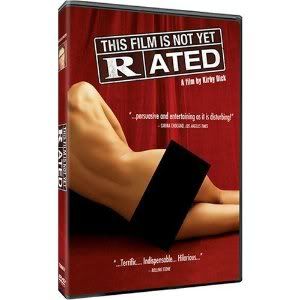
Movie Review: This Film is Not Yet Rated
While I've got a nice sized buffer for anime and books right now and a small one for comics, I don't have any for movies/tv shows so I was a bit worried this week when I realized I wasn't going to be able to get to my planned movie after all. After a bit of frantic searching on Netflix I realized that another movie I was planning on watching, This Film is Not Yet Rated, was playing so I turned that on and almost turned it off after the first few minutes which, erm, had an awful lot of censor bars for a reason (although, if the film is not rated, that's not just the title, does that mean they even needed the censor bars?). I'm simply not really a fan of sex/tons of nudity/really graphic violence in general (although it was more of the first two here) but since I've heard a number of good things about this movie I turned it back on and I'm really glad I did.
This Film is Not Yet Rated
Summary: In this documentary by Kirby Dick, he explores the shadowy MPAA's rating system, how they decide what to rate a film, how the appeals court works, discovers the identities of the mysterious raters and talks to some directors whose films were rated NC-17 and why they felt that this was an unfair rating.
The Good: The film has a number of interviews with various directors (and one or two actors) on what made their films NC-17 rated (if they knew, sometimes the MPAA won't even tell them what they need to cut) and why they thought it was unfair and honestly, it was an awful lot of evidence that the MPAA is a flawed system. There were many examples, confirming things I had already heard, that violence is okay, sex is bad, men enjoying themselves might be okay, women enjoying themselves is bad, straight sex might be okay, gay sex is not, ect. The reveal of who the members of the MPAA board was done in a great, dramatic yet not overly dramatic fashion and really feels like a crowning moment of awesome for the film, it's almost hard to believe that the film still has a few tricks up it's sleeve after that.
The Bad: There is a good reason that the identities of the MPAA raters aren't known, these days people will send death threats over everything it seems, although the film points out that these raters aren't the kind of people the MPAA says they are and, after seeing how everything works, that argument doesn't hold as much water as it did in the beginning of the film. The film also doesn't suggest an alternative to the MPAA, which would have been a nice, final nail in the coffin for them, but since the purpose of a documentary is to report on how things are, not necessarily how things should be, I'm not sure how well that idea would have worked in the film.
The Audio: Almost all the audio in the movie came from either the interviews with the various directors, from the footage of the various films, or from the investigation. Even when the characters are going undercover with the secret cameras the audio is alright, although for several parts towards the end they had to use actors to re-create the audio. Still, that's hardly the director's fault and those extras bits really do help add to the movie.
The Visuals: The film is a documentary so there are no frills or gimmicks added to the visuals, it's just video and pretty consistent in it's quality. As with the audio, there are times they use undercover cameras and the film quality is noticeably poorer but that's expected with spy cameras, if you have a camera that small then it doesn't have much room for the technology needed for a nicer picture.
I was surprised at just how interesting this documentary was, especially since I had already heard stories about how the MPAA is sexist/homophobic/thinks violence is better than sex, and there was plenty of evidence from the various films that there is some kind of double standard going on in the industry. Personally I only use the ratings on a film to figure out how much violence I should expect ("hmmm, Zombieland is R rated, there's going to be a lot of gore in it isn't there?") but now I worry that too many people rely just on these ratings and don't check out wonderful movies because of them. So I really recommend this movie, it's on Netflix and I found it at the local college library as well so hopefully everyone else can find it as well!
This Film is Not Yet Rated
Summary: In this documentary by Kirby Dick, he explores the shadowy MPAA's rating system, how they decide what to rate a film, how the appeals court works, discovers the identities of the mysterious raters and talks to some directors whose films were rated NC-17 and why they felt that this was an unfair rating.
The Good: The film has a number of interviews with various directors (and one or two actors) on what made their films NC-17 rated (if they knew, sometimes the MPAA won't even tell them what they need to cut) and why they thought it was unfair and honestly, it was an awful lot of evidence that the MPAA is a flawed system. There were many examples, confirming things I had already heard, that violence is okay, sex is bad, men enjoying themselves might be okay, women enjoying themselves is bad, straight sex might be okay, gay sex is not, ect. The reveal of who the members of the MPAA board was done in a great, dramatic yet not overly dramatic fashion and really feels like a crowning moment of awesome for the film, it's almost hard to believe that the film still has a few tricks up it's sleeve after that.
The Bad: There is a good reason that the identities of the MPAA raters aren't known, these days people will send death threats over everything it seems, although the film points out that these raters aren't the kind of people the MPAA says they are and, after seeing how everything works, that argument doesn't hold as much water as it did in the beginning of the film. The film also doesn't suggest an alternative to the MPAA, which would have been a nice, final nail in the coffin for them, but since the purpose of a documentary is to report on how things are, not necessarily how things should be, I'm not sure how well that idea would have worked in the film.
The Audio: Almost all the audio in the movie came from either the interviews with the various directors, from the footage of the various films, or from the investigation. Even when the characters are going undercover with the secret cameras the audio is alright, although for several parts towards the end they had to use actors to re-create the audio. Still, that's hardly the director's fault and those extras bits really do help add to the movie.
The Visuals: The film is a documentary so there are no frills or gimmicks added to the visuals, it's just video and pretty consistent in it's quality. As with the audio, there are times they use undercover cameras and the film quality is noticeably poorer but that's expected with spy cameras, if you have a camera that small then it doesn't have much room for the technology needed for a nicer picture.
I was surprised at just how interesting this documentary was, especially since I had already heard stories about how the MPAA is sexist/homophobic/thinks violence is better than sex, and there was plenty of evidence from the various films that there is some kind of double standard going on in the industry. Personally I only use the ratings on a film to figure out how much violence I should expect ("hmmm, Zombieland is R rated, there's going to be a lot of gore in it isn't there?") but now I worry that too many people rely just on these ratings and don't check out wonderful movies because of them. So I really recommend this movie, it's on Netflix and I found it at the local college library as well so hopefully everyone else can find it as well!
Labels:
documentary,
how things work,
modern day,
movie,
nonfiction
Sunday, December 12, 2010
Book Review: In the Footsteps of Marco Polo
Even though he's a European I don't recall learning that much about Marco Polo in school. Maybe a day or two here but it was along the lines of "he went to Asia along the silk road and opened it up to foreigners but some people don't think he actually did it!"* But the guys who wrote this book, Fran and Denis, clearly knew more about him than most and loved the book Marco Polo dictated and went "hey, what if we were to try that...?"
In the Footsteps of Marco Polo
Summary: Like I said, two guys are inspired by Marco Polo's travels and go out to be the first people to retrace his entire route (they mention that some people had tried before but no one had managed to get everywhere). Takes place between 1993 and 1995 so having a memory of what was going on at the time would've been a nice thing.
The Good: I don't know much about some of the areas of the world they went to so it was fascinating to read about them for the first time. I loved the little details included in the story, like the people they met or the surprising number of places where Polo's reports matched up with what they saw over 1000 years later (and after finding out how long Polo journeyed and how many years later he told the story I'm even more impressed at how close it all was). In this kind of story (it was more of a travelogue than anything else, just travel with a history) it really is the details that make the story and make it memorable.
The Bad: There were times in the book where I felt like a section or even a whole chapter was missing or the guys would allude to something they didn't show or tell and that left me feeling frustrated. And the book had a hard time in some places for balancing the travelogue aspect with all the information about the area they were in (which was really necessary since a lot of the book takes place in the back mountains of the Middle East)
The Photography: I could tell that the photos in here were film not digital because of the grain in places but I think that's just me being a photo geek** and grain does bother me a bit in photos. But photos were all amazing, whether it was mountains, the people, or even objects they came across, each time I turned the page I had a hard time deciding if I should read the text first or stare at the photos. The book cover says that there is a made for tv movie/documentary/mini-series (wasn't sure which) and I'd love to watch that to see even more of the amazing photos.
I've only recently become interested in travelogues and memoirs so I haven't read many but, since a good chunk of the story took place in the Middle East mountains, I was reminded of Three Cups of Tea a number of times in it. Other than that I can't think of any more suggestions but In The Footsteps of Marco Polo was a nice bit of light reading with some great photos and tons of amazing people the world over.
*And I'm the kid who went to private schools too, no American school system as a convenient scapegoat here, unless American schools in general suck.
**Actually no, me being a photo geek is seeing the grain and go "someone wasn't using 100 ISO" and then realizing that 100 ISO film wouldn't work well in the places they were going, THAT'S geeky.
In the Footsteps of Marco Polo
Summary: Like I said, two guys are inspired by Marco Polo's travels and go out to be the first people to retrace his entire route (they mention that some people had tried before but no one had managed to get everywhere). Takes place between 1993 and 1995 so having a memory of what was going on at the time would've been a nice thing.
The Good: I don't know much about some of the areas of the world they went to so it was fascinating to read about them for the first time. I loved the little details included in the story, like the people they met or the surprising number of places where Polo's reports matched up with what they saw over 1000 years later (and after finding out how long Polo journeyed and how many years later he told the story I'm even more impressed at how close it all was). In this kind of story (it was more of a travelogue than anything else, just travel with a history) it really is the details that make the story and make it memorable.
The Bad: There were times in the book where I felt like a section or even a whole chapter was missing or the guys would allude to something they didn't show or tell and that left me feeling frustrated. And the book had a hard time in some places for balancing the travelogue aspect with all the information about the area they were in (which was really necessary since a lot of the book takes place in the back mountains of the Middle East)
The Photography: I could tell that the photos in here were film not digital because of the grain in places but I think that's just me being a photo geek** and grain does bother me a bit in photos. But photos were all amazing, whether it was mountains, the people, or even objects they came across, each time I turned the page I had a hard time deciding if I should read the text first or stare at the photos. The book cover says that there is a made for tv movie/documentary/mini-series (wasn't sure which) and I'd love to watch that to see even more of the amazing photos.
I've only recently become interested in travelogues and memoirs so I haven't read many but, since a good chunk of the story took place in the Middle East mountains, I was reminded of Three Cups of Tea a number of times in it. Other than that I can't think of any more suggestions but In The Footsteps of Marco Polo was a nice bit of light reading with some great photos and tons of amazing people the world over.
*And I'm the kid who went to private schools too, no American school system as a convenient scapegoat here, unless American schools in general suck.
**Actually no, me being a photo geek is seeing the grain and go "someone wasn't using 100 ISO" and then realizing that 100 ISO film wouldn't work well in the places they were going, THAT'S geeky.
Labels:
documentary,
history,
nonfiction
Subscribe to:
Posts (Atom)